If you have never been through an insurance repair, the process can feel like a conversation between your insurer and a body shop that you only hear half of. This guide walks through the usual steps on Oahu, explains the vocabulary, and lists the questions worth asking. Every insurer and every policy is a little different, so treat this as a map, not a promise of how your claim will go.
Step 1: Report the claim
Call your insurer, or the other driver's insurer if they are clearly at fault, as soon as you can after the crash. You will get a claim number and, usually, an adjuster. Write both down.
You do not need a finished claim file before talking to a body shop. Many people call the shop the same day, send photos and get the car inspected while the insurer is still setting up the claim. That can save days.
Step 2: Decide where the car will be repaired
Some insurers run a preferred or direct-repair program, a network of shops they work with regularly. These programs can be convenient, but it is your car, and it is reasonable to ask the insurer how its program works and to tell them which shop you want to use.
If the insurer recommends a shop, ask why, ask what happens if you prefer a different one, and ask whether anything about your coverage changes. Coverage and payment decisions belong to the insurer; where the work is done is a conversation you are part of.
Whichever shop you choose, Hawaii's Motor Vehicle Repair Industry Board licenses motor vehicle repair dealers and mechanics, and its page has a way to check a license[4].
Step 3: The first estimate
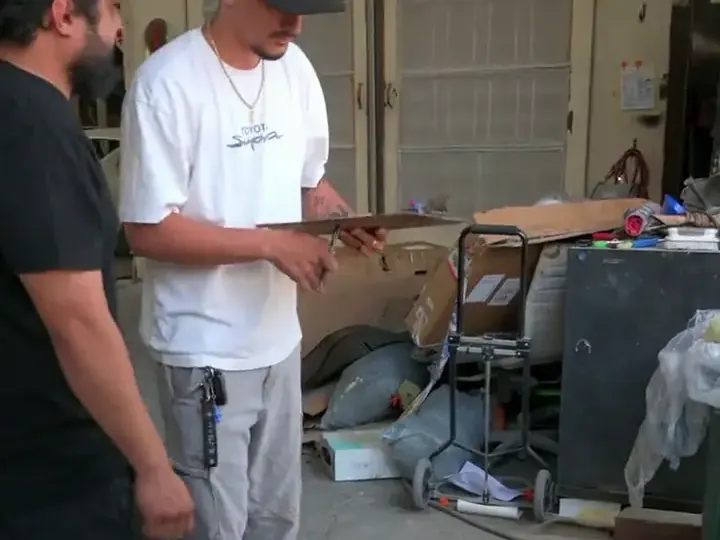
The first estimate is written from what can be seen with the panels still on the car. An adjuster may write it, the shop may write it, or both may. Many of these estimates are written in CCC ONE, estimating software from CCC Intelligent Solutions that tens of thousands of collision repair facilities use[1].
Because insurers and shops often use the same estimating system, they can compare line by line: each part, each labor operation, each paint operation. When you read an estimate, look for:
- Parts. Whether each part is new from the manufacturer, aftermarket, used or reconditioned. Ask if you are unsure what a code means.
- Labor. Body labor, structural labor, paint labor and mechanical labor are listed separately.
- Paint and materials. Refinishing a panel takes primer, base color, clear coat and the work to blend the color into neighboring panels.
- Sublet items. Work the shop sends out, such as alignments or certain electrical checks.
An estimate is not the final bill and not an authorization to start. It is the first draft of the repair plan.
Step 4: Teardown, and why supplements happen
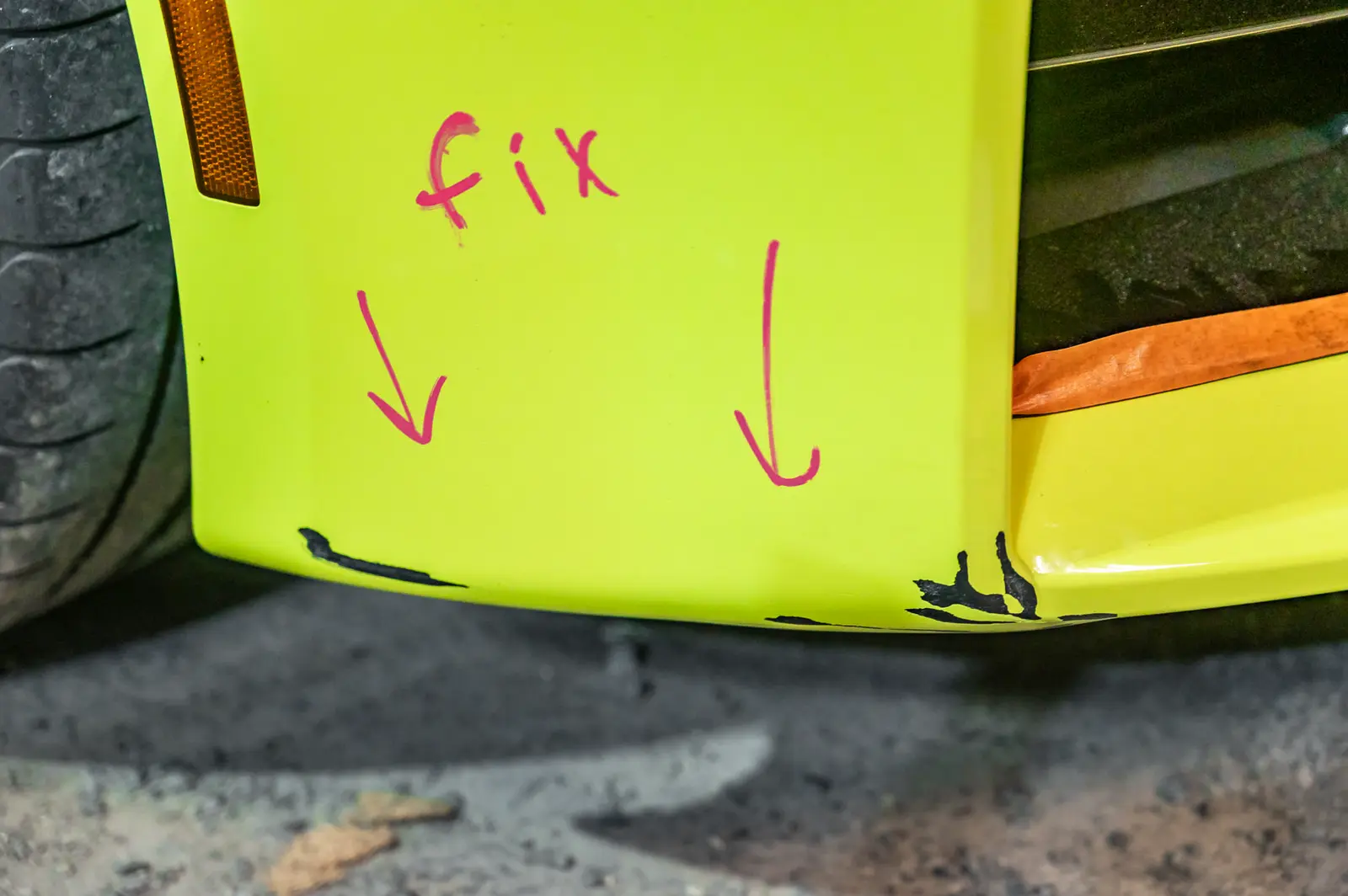
Most of the expensive surprises in a collision live behind the bumper cover or inside a door: crushed absorbers, bent reinforcement bars, broken brackets, sensors and wiring. You only see them once the damaged parts come off.
That is why many shops do a teardown, removing damaged parts to see the full picture, before the repair plan is final. California's Bureau of Automotive Repair notes that a documented teardown estimate brings a significant reduction in supplemental estimate revisions[2]. In plain terms, looking properly at the start means fewer changes later.
A supplement is a revision to the estimate when more damage is found. It is normal, not a sign that something went wrong. The shop documents the extra damage with photos and line items, the insurer reviews it, and the repair continues once it is approved. On a bigger collision there may be more than one.
What you can ask for:
- Photos of the extra damage, so you can see what changed and why
- A short explanation of what the supplement adds to the repair
- An updated timeline if parts have to be ordered
Step 5: Repair to the manufacturer's procedures
Modern cars are engineered to manage crash energy in specific ways, and manufacturers publish repair procedures that say how their structures may and may not be repaired. Toyota and Lexus, for example, only allow structural sectioning where their repair manuals support it, and their position statement warns that failure to follow OEM procedures will sacrifice the safety and quality of the repair[5].
For you, the practical point is simple. Ask the shop whether your repair involves structural parts, and whether they work from the manufacturer's repair information. If the frame or unibody is involved, the repair plan should include measuring the structure, not just replacing what is visible. Fly Garage's frame pulling starts with an assessment for exactly that reason.
Step 6: Paint, reassembly and quality checks
Once the structure and panels are right, the car is prepared and painted, the color is blended into neighboring panels so the repair does not stand out, and the car is reassembled. Lights, sensors, panel gaps and doors are checked. If you want to know more about the paint side, our guide to how body shops match paint explains why that stage takes the time it does.
Step 7: Rental, payment and pickup
Rental cars depend on your policy. Some policies include rental coverage with a daily limit and a maximum number of days; some do not include it at all. Ask your insurer early, and ask the shop about rental options while the car is in for repair. Fly Garage has in-house rental options to ask about, confirmed by the office case by case.
Your deductible, if one applies, is usually paid to the shop when you pick the car up. The insurer pays its share according to the claim.
Before you drive away, walk around the car in daylight. Look at the repaired panels from an angle, open and close the doors, hood and trunk, and check that no warning lights are on. If something is not right, say so before you leave.
When something goes wrong
Most claims run without drama. If you hit a wall with an insurer, such as a decision you think is wrong or no response for a long time, start by asking for the decision in writing and for a supervisor. If that does not resolve it, the Hawaii Insurance Division accepts consumer complaints by phone and online[3].
Questions to keep handy
- What is my claim number, and who is my adjuster?
- Does my policy include rental coverage, and what are its limits?
- Which parts on this estimate are new from the manufacturer, and which are not?
- Will you do a teardown before the repair plan is final?
- If you find more damage, how will you show it to me?
- Does this repair involve structural parts, and will the structure be measured?
How Fly Garage handles insurance work
Fly Garage works with all insurance companies and writes estimates in CCC ONE. You can start an insurance repair with photos and whatever claim details you already have, even before you have a claim number. The team reviews the damage, explains the plan before work begins, and walks you through any supplement with photos. For body and paint work after a collision, see our collision repair and paint page, or call the body shop at 808-285-3272.