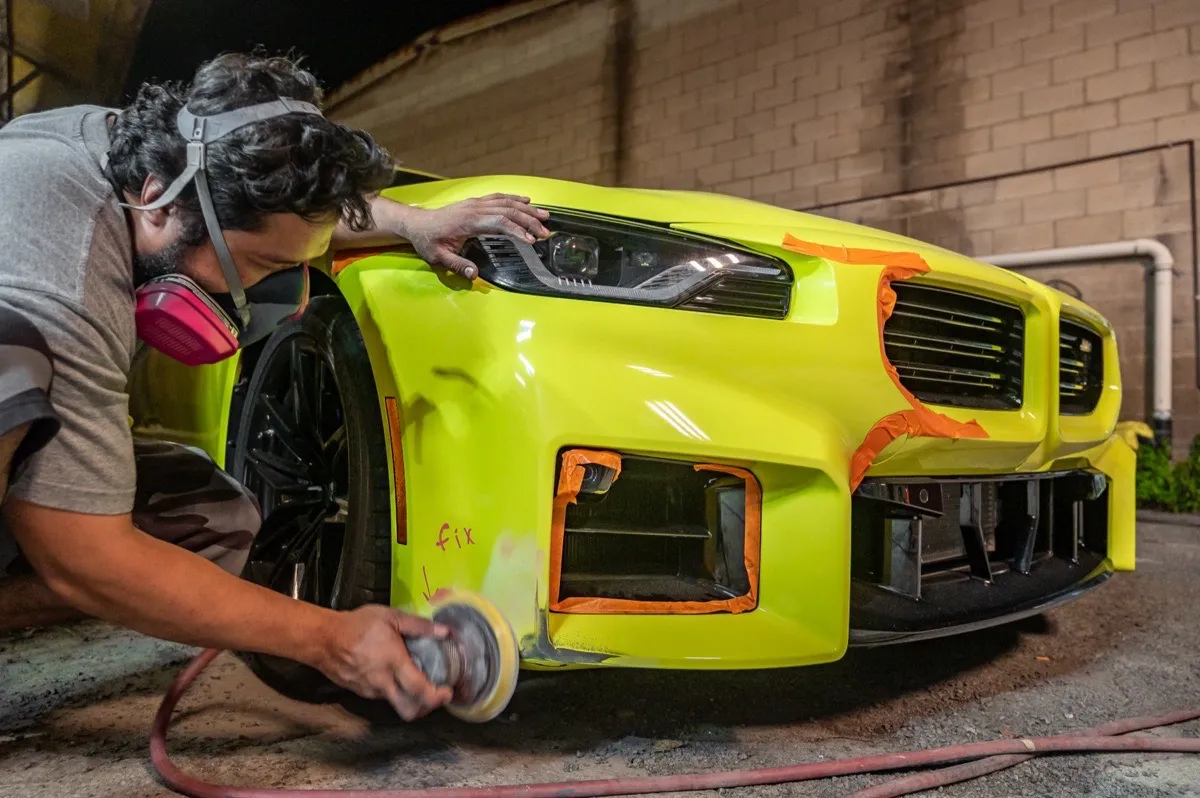
Parking lots on Oahu are tight. Shopping center stalls, apartment garages and beach parks put cars door to door, and sooner or later most of us walk back to find a new ding in a door or a dent in a fender. Some of those dents are only cosmetic and can wait. Others have broken the paint, and in our salty, humid air those are worth dealing with soon. This guide explains how to tell the difference and what each kind of repair involves.
Start with the paint, not the dent
The size of a dent matters less than you might think. The first question is whether the paint is still whole.
A car's paint is more than color. It also helps protect the metal underneath from moisture and corrosion. When a door edge or a shopping cart pushes a panel in, one of two things usually happens:
- The paint flexes and stays intact. The panel is dented, but the finish is unbroken. This is a dent-only repair.
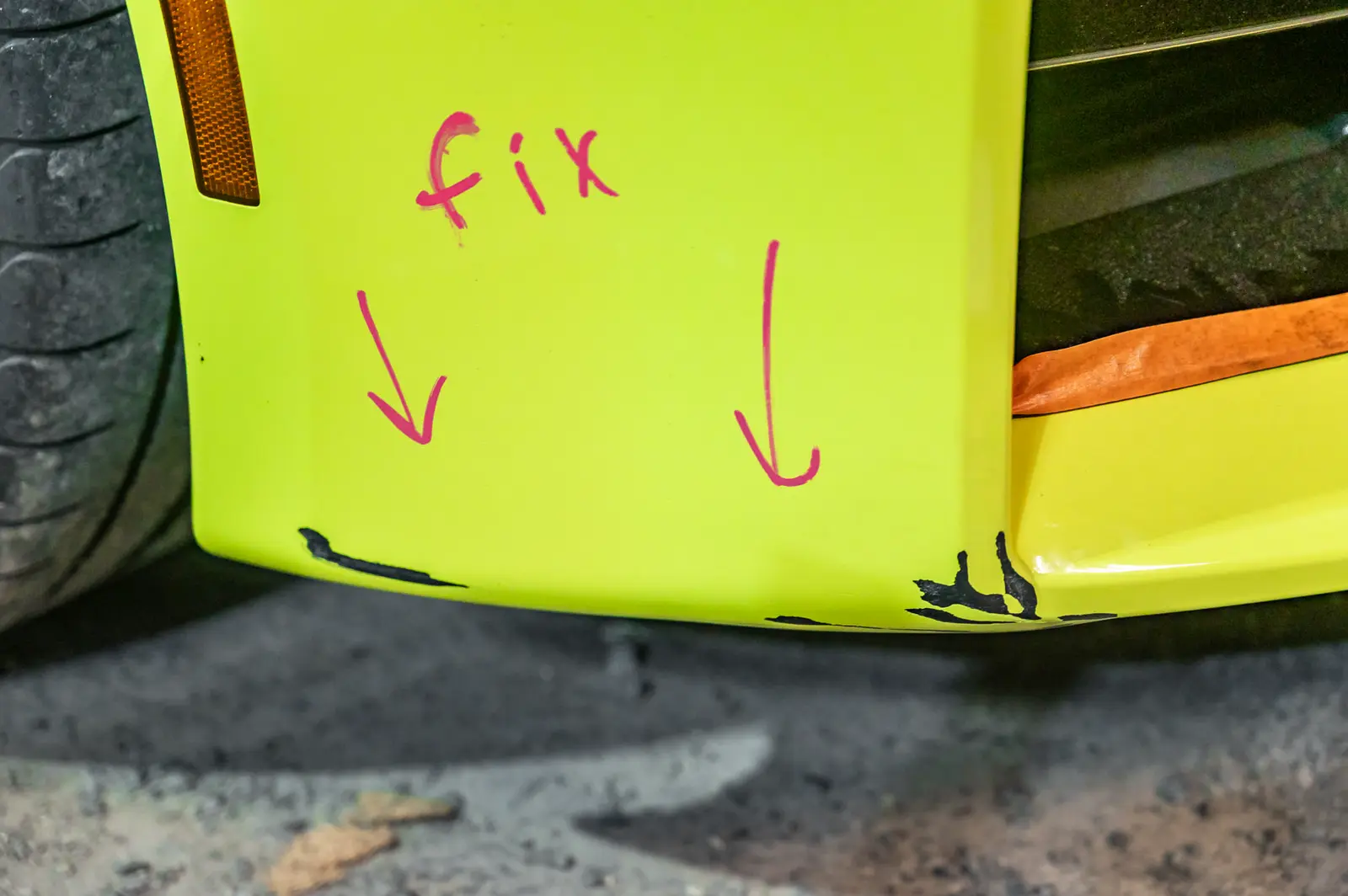
- The paint cracks, chips or flakes. The finish is broken, and the metal underneath may be exposed. This is a dent repair and a paint repair.
Look closely in good daylight. Run your eye along the dent from a few angles and look for hairline cracks, flakes of paint, a bright spot of bare metal or a small transfer of someone else's paint. Very fine cracks can be hard to see. Rivian, for example, stresses using a 30x magnifier before and after a paintless repair to check the paint for micro-cracking[4].
Why broken paint should not wait
Exposed metal does not stay clean for long. Kia's owner's manual says deep scratches or stone chips in the paint must be repaired promptly, and warns that exposed metal will quickly rust and may develop into a major repair expense[1]. Mazda's manual says to repair damage to the finish caused by stone chipping or damage during parking before rust begins to form[2].
On Oahu, many cars park near the ocean, and Kia's manual lists ocean air among the things that can speed up corrosion[7]. A ding that cracks the paint on the lower edge of a door, where water and salt collect, is a good example of small damage that can grow. If the dent has opened the paint, treat it as a priority even if it looks minor.
If rust has already started, Mazda describes removing it completely, applying a rust-preventive primer and then a top coat, and notes there is no problem if you hand the work to an expert repairer instead[2]. If you see bubbling around a ding, the rust may already be under the paint. Our restoration page has more on rust repair and refinishing.
Dent-only damage: paintless dent repair
When the paint is unbroken and the metal is not creased or stretched, a dent can sometimes be worked out without repainting. This is called paintless dent repair, or PDR. In general, the technician uses specialized tools to work the metal back into shape, often from behind the panel, so the original finish is left in place.
PDR has real advantages when it fits. The factory paint stays on the car, so there is no color to match and no new paint to cure. It can be a good option for door dings and soft, shallow dents on a flat or gently curved part of a panel.
The hidden side of the panel
There is a detail most people never hear about. The inside of a door or fender has its own protective coating. I-CAR explains that during paintless repair, the e-coat or wax-based coating on the back of the panel can be removed by repeated scratching from the dent tool tips, even when the tips are covered in plastic[3]. Its guidance is that corrosion protection must be restored to make the repair last, that this is recommended for most PDR repairs, and that it is better to assume the backside finish was scratched and apply corrosion protection[3].
Kia makes a similar point for any body work: if your vehicle needs metal repair or replacement, make sure the shop applies anti-corrosion materials to the repaired or replaced parts[1]. It is a fair question to ask whoever fixes your dent, whichever method they use.
When paintless repair is not the right fit
PDR is not a fix for every dent. It is usually harder or not possible when:
- The paint is cracked. Rivian's position statement says that if micro-cracking is present, the panel must be sanded down to the substrate and refinished[4].
- The panel is aluminum. Rivian says PDR can be used on both steel and aluminum, but each may have limitations[4]. I-CAR notes that a damaged aluminum panel will not remember its previous shape and that weld-on dent pulling equipment made for steel panels will not work on aluminum, although small damage with access from behind may be quite easily repaired[5].
- The dent sits on a body line or crown. I-CAR notes that small damage in areas like these may offer high resistance to straightening[5]. Sharp creases are also harder to work out than soft dents.
If you are not sure what your car's panels are made of, a body shop can check.
Dent with paint damage: conventional repair
When the paint is broken or the dent cannot be worked out cleanly, the repair becomes a body and paint job. In broad terms, the technician:
- Straightens the metal as close to its original shape as possible.
- Applies body filler where needed and shapes it. PPG's light body repair procedure says to mix and apply filler following the maker's directions, to refer to vehicle maker service bulletins, and notes that some makes and models may need an epoxy primer before any filler goes on[6].
- Sands and checks the surface, using a guide coat to show imperfections, then applies glaze filler over the repair area[6].
- Primes, paints and clear coats the area, then blends the new color into the surrounding paint so the repair does not show.
Paint matching is its own craft. Our guide to how body shops match paint explains codes, test cards and blending.
What you can do right now
- Take photos of the dent from straight on and from a low angle along the panel, in daylight. A wide shot of the whole side of the car helps too.
- Check for broken paint and bare metal. If you find any, do not leave it for months.
- Keep it clean. Wash the area gently, and do not scrub at chipped edges.
- Think twice about home dent pullers on cracked paint, which may lift more paint and make the repair bigger.
- Note where and when it happened, in case you decide to file a claim.
Insurance or out of pocket?
For a small ding, some owners choose to pay for the repair themselves, while larger damage from a collision may go through insurance. The right choice depends on your policy and the size of the repair, so getting an estimate first is a sensible step. If you do go through insurance, Fly Garage works with all insurance companies and writes estimates in CCC ONE. Our insurance repair page explains how to get started.
The short version
Check the paint before you worry about the size of the dent. Intact paint and soft metal may suit paintless repair, as long as the inside of the panel gets its corrosion protection back. Cracked or chipped paint means a body and paint repair, and in Oahu's salt air it is better done sooner than later.
Fly Garage does collision repair and paint on Kaliawa Street in Honolulu. To have a dent looked at, call the body shop at 808-285-3272.